

Dental Bone Grafting in Everett

Dental bone grafting

Rebuild jawbone volume, prevent facial collapse, and secure your dental implants with gentle bone regeneration in Everett

Let’s take great care of your smile.

Need an answer or looking to set up an appointment? Send a quick note to our Everett team.


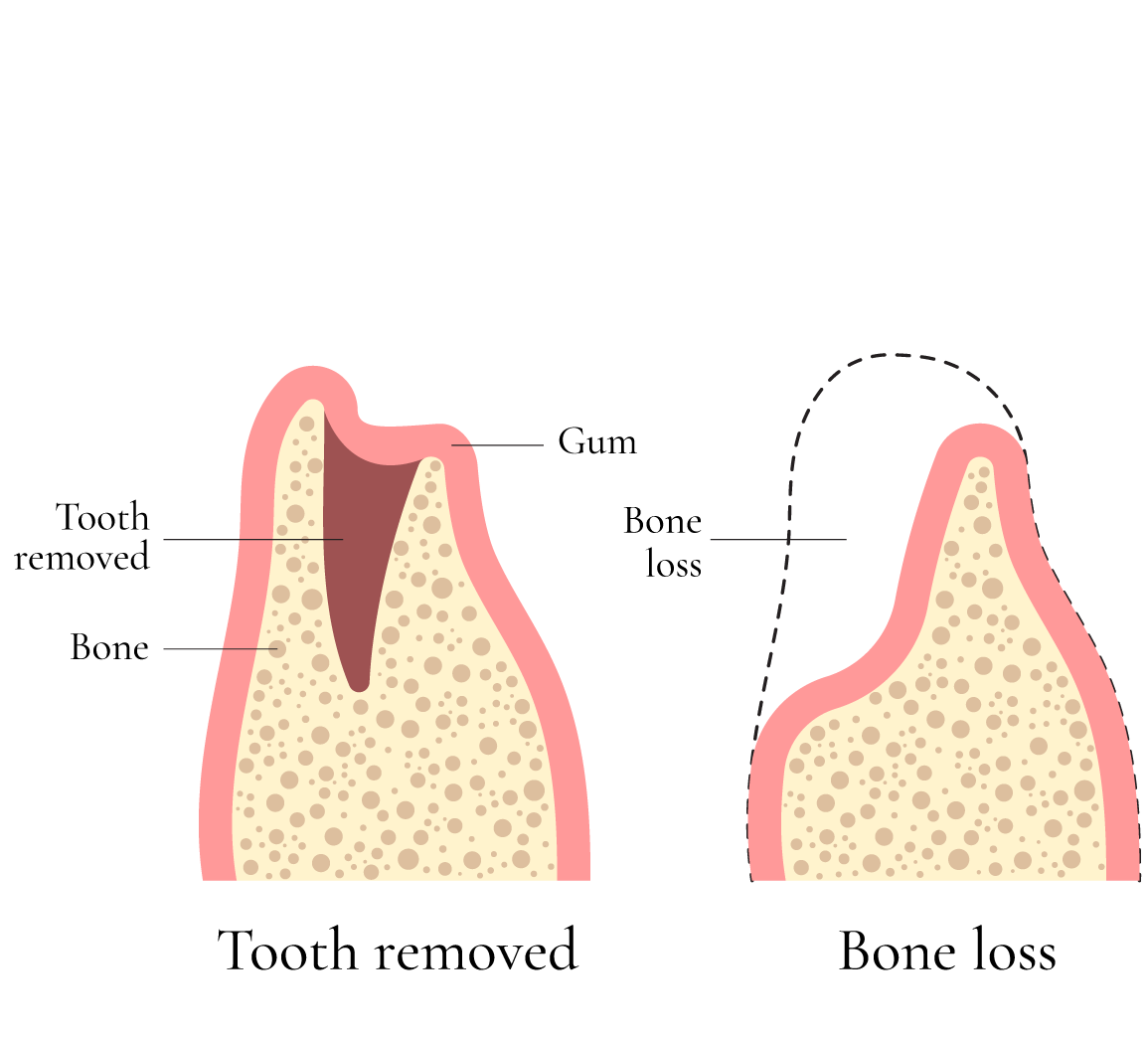
When a tooth has been missing for a while—or needs to be removed—the jawbone in that spot naturally shrinks over time. Dental bone grafting is a simple, comfortable procedure that rebuilds and strengthens your jawbone so you have a solid foundation for a future dental implant.


Oral Surgery in Everett

What is bone grafting?

Dental bone grafting in Everett

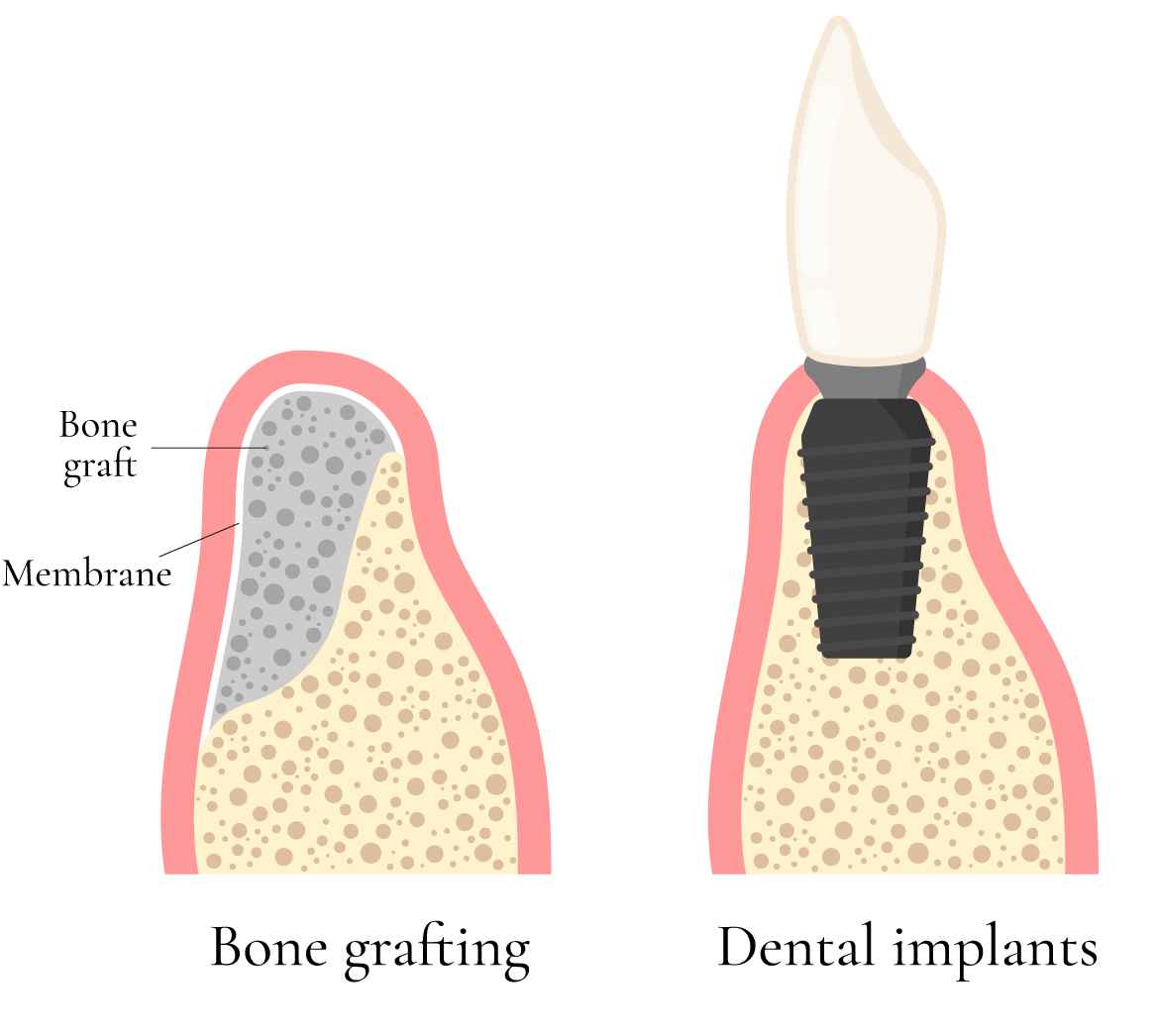
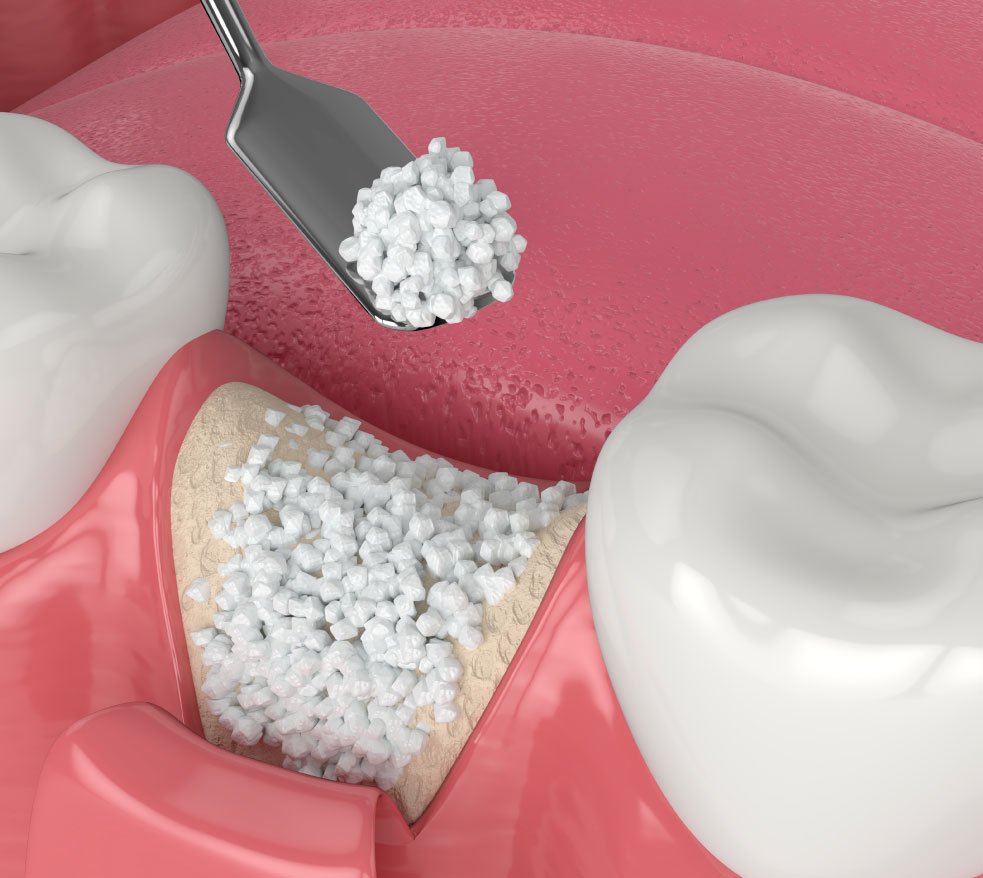
Bone grafting is a highly predictable, routine oral surgery procedure designed to rebuild bone density and volume in areas where your jaw has weakened. During the procedure, our surgical team gently places safe, biocompatible bone grafting material directly into the diminished or deficient area of your jaw.

This graft material acts as a biological scaffold. Over the next several months, your body's own natural regenerative cells migrate into the graft, gradually replacing the matrix with brand-new, healthy, and dense living jawbone.
Dental bone grafting and implant restoration in Everett
The Sunrise Dental Everett Advantage

From surgery to final smile

Rebuilding your jawbone is the foundational first step in a lasting smile restoration. Our clinical team—Dr. Cuong Luu, Dr. Haider Kalhan, Dr. Gary Chin, and Dr. Haider Kalhan—evaluates your jaw architecture from both a surgical and an aesthetic perspective. Using advanced 3D CBCT digital imaging, we plan your bone graft with the precise future placement of your dental implants in mind.

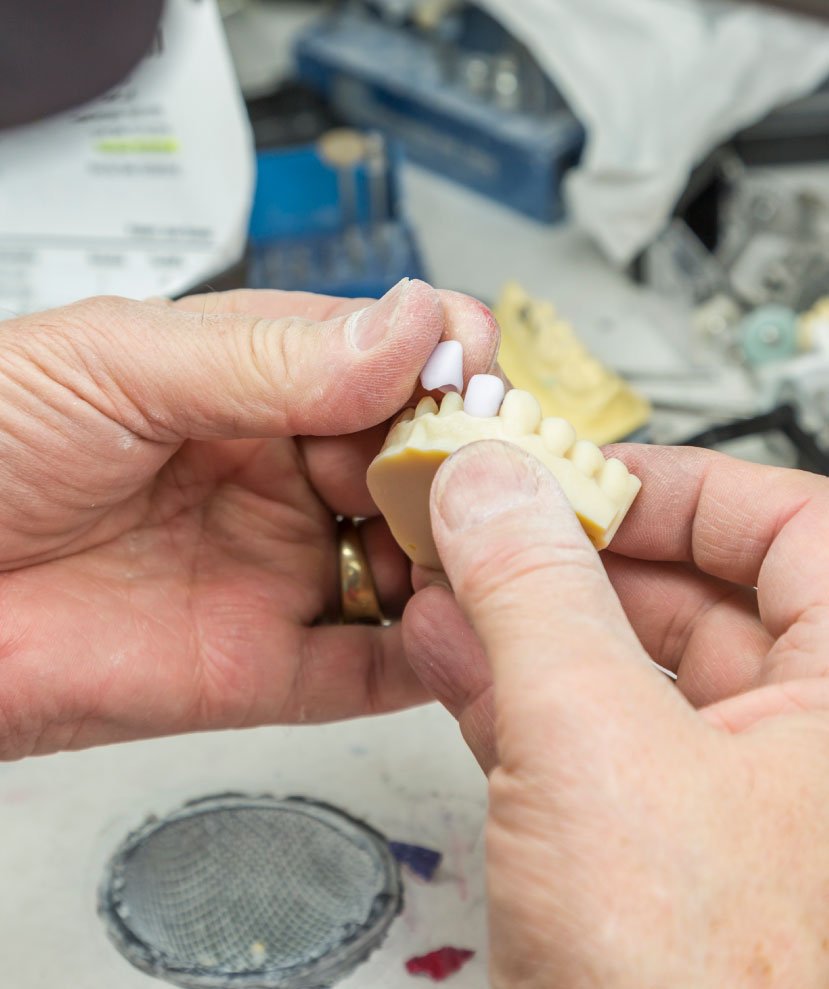
Because we perform both surgical grafting and final implant restorations under one roof in Everett, we coordinate your surgical care seamlessly with custom temporary and permanent restorations. Whether you require socket preservation or extensive ridge augmentation, our digital CAD/CAM workflow ensures your restorations are custom-designed with immaculate precision and natural beauty.

When is a bone graft necessary?

Bone loss happens quickly after tooth loss. We frequently perform bone grafting procedures to address the following oral health challenges.

Socket Preservation (After Extractions)

The most common form of bone grafting. Immediately following a tooth extraction, we place biocompatible graft material into the empty socket. This prevents the surrounding bone walls from collapsing inward, preserving the natural height and contour of your jaw for a future dental implant.

Preparing for Dental Implants

A dental implant requires adequate bone height, width, and density to anchor permanently. If you have been missing teeth for months or years, the alveolar ridge naturally shrinks. Bone grafting rebuilds sufficient ridge volume so implants can be anchored firmly and safely.

Severe Periodontal Disease

Advanced periodontal disease can destroy the bone supporting natural tooth roots, resulting in mobility and tooth loss. Regenerative bone grafting and barrier membranes help rebuild lost bone around compromised teeth, reinforcing their stability and extending their lifespan.

Sinus Augmentation & Trauma Repair

When replacing upper molars, the maxillary sinus floor is often too close to the jaw ridge. A sinus lift gently elevates the sinus membrane and places bone graft beneath it. Similarly, grafting repairs structural bone defects caused by facial injuries or traumatic impacts.

Sunrise Dental Everett precision dental implant and bone grafting planning in Everett, WA
Digital Implant Precision
3D CBCT-guided surgical planning and custom implant restorations under one roof

Jorge M. said

"Dr. Chin and his friendly staff have been terrific to deal with throughout the years and my dental health has really benefited. Highly recommend."

Google 5-Star Review

Patient-centered comfort & flexible financing

We understand that visiting the dentist can cause anxiety for many individuals. That is why our entire practice is designed around patient comfort, clear communication, and financial peace of mind.


compassionate care

Our compassionate team listens closely to your goals, explaining every step of your care without pressure.Gentle, anxiety-free environment
Learn More

Advanced Dental Technology

We invest in modern dental technology to ensure your treatments are gentle, safe, and precise. Modern, comfortable technology
Learn More

Flexible CareCredit financing

We offer flexible monthly financing through CareCredit® so our top-quality care fits comfortably into your monthly budget.Flexible CareCredit® financing
Learn More

Everett Emergency Dentist

We reserve daily appointment slots to deliver fast, same-day emergency dentistry when you need it most.Same-day emergency relief
Learn More


Frequently asked questions

Answers to bone grafting questions


What is dental bone grafting and how does it work?
Dental bone grafting is a specialized surgical procedure that restores lost bone volume and density in the jaw. Biocompatible graft material is placed at the site of bone deficiency, acting as a biological scaffold. Over a period of several months, your body's natural regenerative processes absorb the scaffold and replace it with living, healthy bone tissue, creating a solid foundation for dental implants or stabilizing natural teeth.
Where does bone grafting material come from and is it safe?
Yes, bone grafting materials are exceptionally safe and strictly regulated by the FDA. We utilize several proven types of bone grafts depending on your clinical needs: autografts (bone harvested from another area of your own jaw), allografts (sterilized, human donor tissue from certified tissue banks), xenografts (highly purified, biocompatible bovine bone mineral), and synthetic alloplasts. Each material undergoes rigorous sterilization and clinical processing to eliminate any biological risk while promoting optimal cellular regeneration.
Will I feel any pain during a dental bone graft procedure?
No, you will not experience pain during your bone grafting procedure. We utilize profound local anesthesia to thoroughly numb the surgical area. For patients experiencing dental anxiety or undergoing combined procedures (such as simultaneous extractions or multiple implants), we provide comfortable sedation options—including nitrous oxide, oral conscious sedation, and IV sedation. With deeper sedation options, you can relax comfortably in a sleep-like state through the entire visit and wake up with little to no memory of the surgery.
How long does it take for a bone graft to heal before receiving dental implants?
Healing and osseous integration generally require between 3 to 6 months, depending on the size of the graft, the location in the jaw, and your body's individual healing rate. Minor socket preservation grafts may heal in as little as 3 months, whereas extensive ridge augmentations or sinus lifts may require 6 to 9 months before dental implants can be anchored securely. We monitor your bone density using 3D CBCT scans to confirm complete maturation before placing implants.
What should I expect during recovery after bone grafting?
Most patients are pleasantly surprised by how comfortable recovery is. Mild soreness, slight swelling, and minor tenderness around the surgical site peak around 48 hours and are well controlled with prescribed or over-the-counter pain medications and cold compresses. You will follow a soft food diet for the first week and avoid chewing directly on the grafted area. Avoid forceful rinsing, spitting, or using drinking straws to protect the surgical site and the protective barrier membrane.
Does dental insurance cover bone grafting and can I finance my care?
Coverage depends on the purpose of the graft. Many dental insurance plans contribute toward socket preservation or bone grafts associated with medically necessary extractions, trauma, or severe periodontal disease. When performed solely as an elective preparatory step for cosmetic implants, coverage may vary. Our experienced insurance coordinators will verify your benefits in advance, bill your insurer directly, and help you take advantage of flexible monthly financing through CareCredit® to keep your care budget-friendly.
Disclaimer: Please note that the provided information above is based on general clinical knowledge. It is always recommended to consult directly with our dentists for personalized diagnosis and recommendations tailored to your specific oral health conditions. Contact our office at (425) 513-2000 to schedule a private consultation.


Affiliations

Our doctors are proud members of


Quick menu